
Short answer: dry out, lubricate, and finish your storm-season checklist
Getting a garage door ready for "winter" in Doral doesn't mean freeze protection. It means closing out hurricane season properly and adjusting for the drier, cooler air that follows. The two biggest things to address: moisture damage left over from summer storms, and the way lower humidity changes how springs, cables, and weatherstripping behave once the rain lets up.
Finish the hurricane season checklist first
Hurricane season officially runs through the end of November, so storms are still a real possibility even as the weather starts to cool. Before you shift into winter mode, make sure your door actually held up through the wet months:
- Check the tracks for rust. Months of humidity and afternoon downpours can leave a thin film of rust on tracks and rollers, especially if the door sees direct rain exposure. Rust on the track edge causes the rollers to bind, which shows up as jerky movement or a grinding sound.
- Inspect panels for swelling. Wood and composite doors absorb moisture during humid months. If a panel looks slightly warped or the door doesn't sit flush in the frame anymore, that's swelling, not a track problem — and it can get worse if ignored.
- Look at the bottom seal. Wind-driven rain during storms pushes water under the door. A cracked or flattened bottom seal is the main reason water gets inside, and it's an easy, inexpensive fix.
- Test the wind-load bracing if your door has it. Homes in this area often have doors built or reinforced to handle wind-load requirements. After a stormy season, confirm the bracing is still securely attached and hasn't shifted.
What the dry season actually does to your door
Once the humidity drops and the afternoon downpours taper off, the air around your garage door changes fast — and so does how the hardware behaves.
Lubricant dries out faster
Grease and lubricant that performed fine in heavy humidity can dry out more quickly in lower-moisture air, leaving springs, hinges, and rollers running drier than they were a month earlier. A door that sounded fine in September can start squeaking or grinding by December simply because the lubricant film thinned out.
Metal contracts slightly
Garage door springs and tracks expand a little in heat and humidity and contract as temperatures and moisture drop. It's a small shift, but on a system that's already worn, it's enough to turn a quiet door into a noisy one, or to make a borderline spring finally fail. If your door has been louder or slower all summer, the first cool snap is often when it gives out completely.
Weatherstripping shrinks
Rubber seals that stayed soft and pliable in summer humidity can stiffen up as the air dries out. Stiff weatherstripping doesn't seal as tightly, which lets in drafts, dust, and the occasional insect looking for a way indoors.
Salt air keeps working
If your home is close enough to the coast to get salt air, corrosion doesn't take a season off. Hardware that looked fine in summer can show pitting or rust spots once you actually have time to inspect it closely during the calmer months.
A practical winter maintenance checklist
- Lubricate springs, hinges, and rollers with a silicone-based or garage-door-specific lubricant — not household oil, which attracts dust and grime.
- Clean and inspect the tracks. Wipe away any rust film, and check that tracks are still aligned by looking for even gaps along both sides of the door.
- Replace cracked or flattened weatherstripping along the bottom and sides before it lets in drafts or moisture.
- Tighten loose hardware. Brackets, hinges, and roller mounts work themselves loose over a season of heavy use and vibration. A quarter-turn with a wrench on visible bolts takes a few minutes.
- Test the auto-reverse safety feature. Place a block of wood in the door's path and close it — the door should reverse on contact. If it doesn't, that's a safety issue, not a cosmetic one.
- Check cables and rollers for fraying or cracking. These wear gradually, and the cooler, drier months are a good time to catch problems before a cable snaps under tension.
Don't skip the opener
Battery backup systems get a workout during storm season outages. Check that the backup battery still holds a charge, replace the remote batteries, and listen for any grinding or straining sound from the motor when the door opens — that's often an early sign the springs are compensating for lost tension.
When to call Doral Door & Opener
Some of this is simple homeowner maintenance — lubrication, tightening hardware, swapping weatherstripping. But a few symptoms mean it's time to call in a technician rather than troubleshoot further:
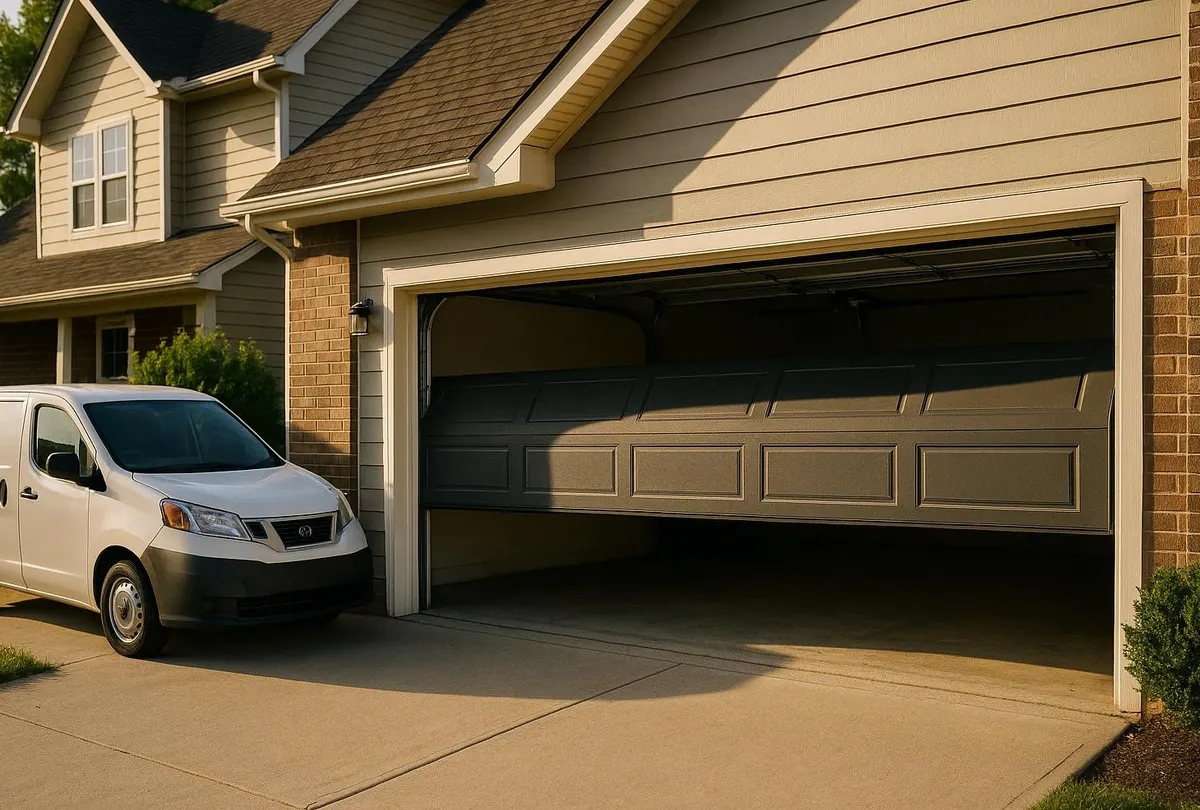
If the door sounds like it's straining, moves unevenly, or you notice visible rust or fraying on the springs and cables, that's a sign a Garage Door Spring Repair is overdue — springs under tension are not a DIY repair, and a failed one can damage the door or injure someone nearby. If panels are swollen, tracks are bent from a storm, or the door has come off its track entirely, our Off Track Door Repair service gets things realigned and moving safely again, rather than forcing a worn system to keep working.
If you're in Doral, Hialeah, Miami Springs, Sweetwater, Medley, Miami Lakes, Hialeah Gardens, or Virginia Gardens and your garage door has been acting up since the last storm, give Doral Door & Opener a call. We'll check it out, tell you honestly what it needs, and get it handled before the issue gets worse.